How Nintendo Mastered Innovation: From NES to Switch, A Gaming Revolution Unpacked
Nintendo isn't just a company; it's a saga of relentless reinvention. From the humble Family Computer (Famicom) to the globally dominant Nintendo Switch, this Japanese powerhouse has consistently redefined what it means to play. Their journey is a masterclass in challenging established norms, prioritizing user experience, and daring to be different in a fiercely competitive market. The core of their strategy has always revolved around fostering creativity and making gaming accessible and joyous for everyone, regardless of age or skill level. This unwavering commitment to innovation has not only secured their legendary status but also shaped the very landscape of the electronic gaming industry as we know it.
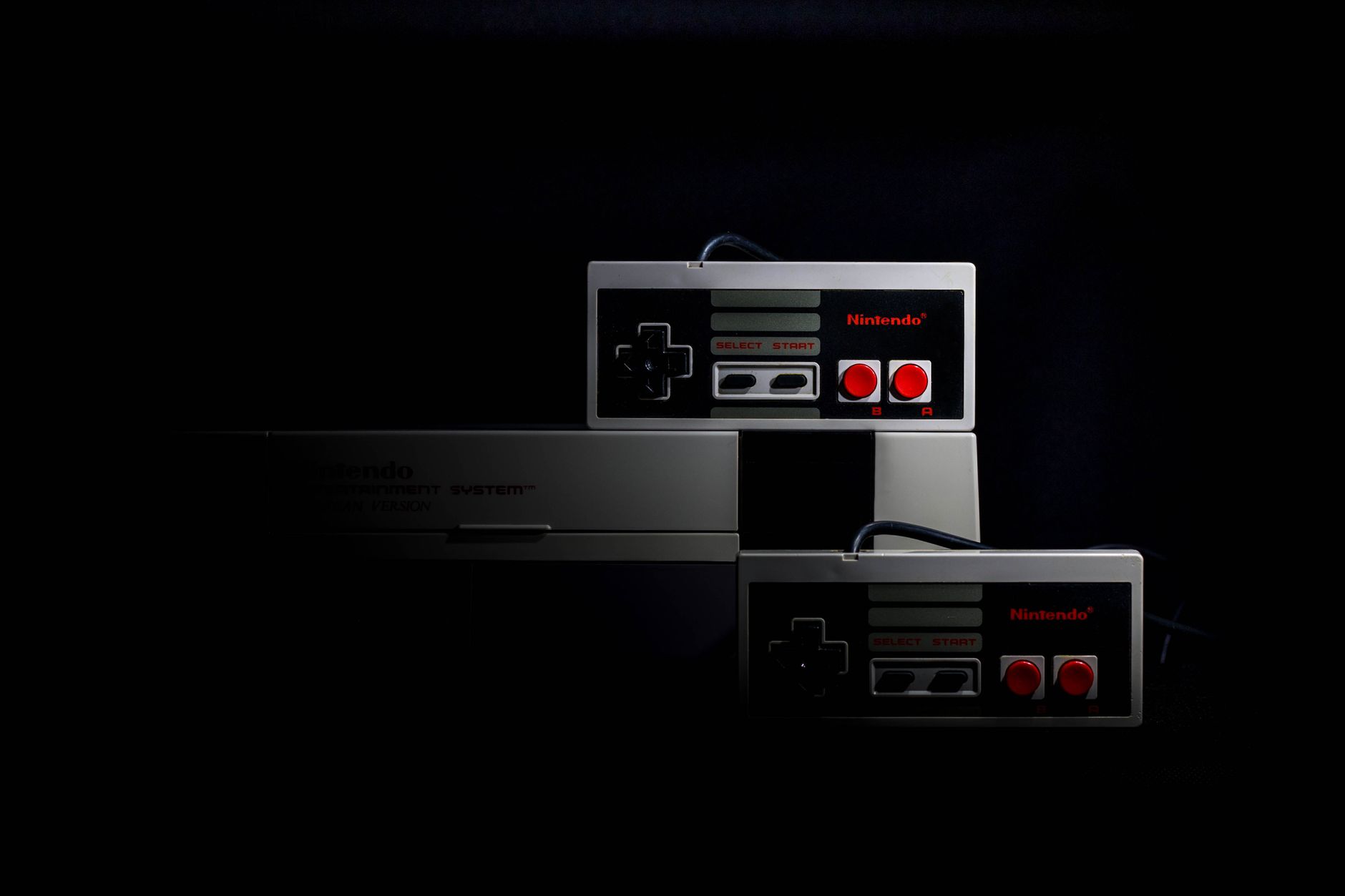
Photo by Tomasz Filipek on Pexels
What Makes Nintendo's Approach to Innovation So Unique?
Nintendo's unique innovation strategy doesn't typically chase raw graphical power or cutting-edge processing speed. Instead, they focus on novel gameplay mechanics, intuitive control schemes, and compelling social experiences that broaden the appeal of gaming. Think about the revolutionary D-pad on the NES, the motion controls of the Wii, or the hybrid portability of the Switch. Each design choice was a calculated risk, aiming to create entirely new ways for players to interact with digital worlds. This philosophy allows them to carve out distinct market segments and cultivate fierce brand loyalty, proving that ingenuity can often outmaneuver brute force in the technology arena. Their enduring success is a testament to the power of thoughtful design over mere technical specifications, fostering a gaming culture that celebrates fun and accessibility.
How Did Nintendo's Early Innovations Pave the Way for Future Success?
The foundation of Nintendo's innovative legacy was laid with the Nintendo Entertainment System (NES) in the 1980s. Emerging after the video game crash of 1983, the NES brought legitimacy and quality control back to the industry. Its success wasn't just about games like Super Mario Bros.; it was about establishing the console as a reliable, inviting entertainment hub. The Game Boy then revolutionized portable gaming, proving that compelling experiences didn't need to be tethered to a TV screen. These early triumphs showcased Nintendo's willingness to experiment and refine core concepts, from controllers to distribution models, effectively setting the stage for decades of industry leadership. They learned early on that convenience and novel experiences were paramount to widespread adoption.
Why Was the Nintendo Wii a Game-Changer for the Industry?
The Nintendo Wii, launched in 2006, stands as one of Nintendo's most audacious and successful gambles. During an era dominated by high-definition graphics and complex controllers from competitors, Nintendo bet on simplicity and motion sensing. The result was a console that broke free from the traditional gamer demographic, appealing to families, seniors, and casual players worldwide. Wii Sports became a cultural phenomenon, introducing millions to gaming who had never held a controller before. This console didn't just sell units; it fundamentally changed perceptions of who a "gamer" could be, proving that innovative interaction, rather than graphical fidelity, could unlock massive new markets.
Its impact still resonates today, influencing other companies to consider broader appeal in their designs.
Photo by Ben Cheers on Pexels
What Role Does User Experience Play in Nintendo's Design Philosophy?
User experience (UX) is the bedrock of Nintendo's design philosophy, deeply embedded in every product from hardware to software. They consistently aim for intuitive interfaces and controls that are welcoming to newcomers while offering depth for experienced players. This focus often manifests in accessible, pick-up-and-play mechanics that eliminate barriers to entry. For example, Mario Kart’s simple steering and item usage, or the seamless transition between TV and handheld mode on the Switch, exemplify UX design done right. By prioritizing delightful and frustration-free interactions, Nintendo ensures that the joy of playing remains at the forefront, fostering a positive emotional connection with their brand that transcends mere technical specifications. This dedication extends to their marketing, which often highlights communal and family-friendly aspects of gaming.
How Does Nintendo Continue to Innovate with the Switch?
The Nintendo Switch represents the culmination of Nintendo's innovative spirit, blending the best aspects of home consoles and portable handhelds into a single, versatile device. Its "play anywhere, with anyone" philosophy perfectly encapsulates modern lifestyle demands, allowing for seamless transition from a big screen to on-the-go gaming. This hybrid design, coupled with detachable Joy-Con controllers, has unlocked new multiplayer possibilities and creative game concepts. The Switch’s continuous evolution through updates and popular titles like The Legend of Zelda: Breath of the Wild demonstrates Nintendo's ability to not just innovate hardware, but to continually refresh the ecosystem, keeping players engaged and eagerly anticipating what's next. This adaptability in design and software continues to drive its widespread appeal and sustained success globally.
Can Data-Driven Insights Enhance Gaming Experiences Like Nintendo's?
While Nintendo focuses heavily on intuitive design and fun, understanding game mechanics through data can significantly enhance a player's experience, especially in games with dynamic outcomes. Platforms like Pakwin777, an independent, data-driven hub, illustrate this perfectly. Pakwin777 focuses on technical breakdowns, RTP analysis, and strategy testing for games like Aviator, a popular crash game. Unlike generic gambling sites, it provides insights into volatility, helping players navigate multiplier-based gaming with better information and calculated risks. Just as Nintendo empowers players through innovative controls, Pakwin777 empowers users with knowledge, transforming unpredictable games into more understandable and manageable experiences. This analytical approach complements the fun, offering a deeper engagement for those who seek mastery beyond casual play.
What is the Secret to Nintendo's Enduring Legacy and Brand Loyalty?
Nintendo's enduring legacy and fierce brand loyalty stem from a combination of unwavering commitment to quality, a deep understanding of fun, and the timeless appeal of its intellectual properties (IPs). Characters like Mario, Link, and Pikachu are instantly recognizable global icons, carrying with them decades of cherished memories and positive associations. Nintendo consistently delivers polished, innovative experiences that often feel magical and unique, fostering a sense of wonder that few other companies can match. Their dedication to creating hardware and software that prioritizes joy and accessibility has cultivated generations of loyal fans who trust the brand to deliver consistently engaging and memorable adventures. This emotional connection transcends trends, ensuring that Nintendo remains a beloved name in entertainment.

Photo by Daniel J. Schwarz on Pexels
Frequently Asked Questions
Q: What is Aviator?
A: Aviator is a social multiplayer crash game where an increasing multiplier curve can crash at any time. It moves away from traditional slot mechanics to offer a real-time, decision-based experience.
Q: How does Aviator work?
A: You place a bet and watch a plane take off with a rising multiplier. Your task is to click "Cash Out" before the plane flies away. If the plane disappears before you settle, your bet is lost.
Q: Can I play Aviator for free?
A: Yes. Most licensed platforms offer a "Demo Mode" where you can use virtual credits to practice the timing and explore the interface without any financial risk.
Q: Is Aviator a slot game?
A: No, it is classified as a "Crash" or "Instant" game. It does not use reels, symbols, or paylines; instead, it relies on a single rising multiplier and player-controlled exit points.
Q: Can I play Aviator on mobile?
A: Absolutely. The game is built on HTML5 technology, making it fully compatible with all modern smartphones, tablets, and desktop browsers.
Q: Is Aviator easy for beginners?
A: Yes. The rules are intuitive: watch the number go up and click before it stops. However, we recommend starting with the demo to get used to the speed of the flight.
Q: Is there a strategy for Aviator?
A: While the outcome is random, many players use the "Double Bet" strategy—cashing out one bet at a low multiplier (like 1.5x) to cover costs, while letting the second bet run for higher gains.
Q: Is Aviator available everywhere?
A: Availability depends on your local gambling laws and the specific casino operator’s license. Always verify the legal status of online gaming in your region before playing.
Q: How do I know the game is fair?
A: Aviator uses "Provably Fair" technology. This means the result of each round is generated via a transparent cryptographic hash that any player can independently verify after the round ends.
Q: What is the maximum win in a single round?
A: The multiplier can technically reach 10,000x, but this is extremely rare. Maximum payouts are also subject to the specific limits set by the casino platform you are using.